
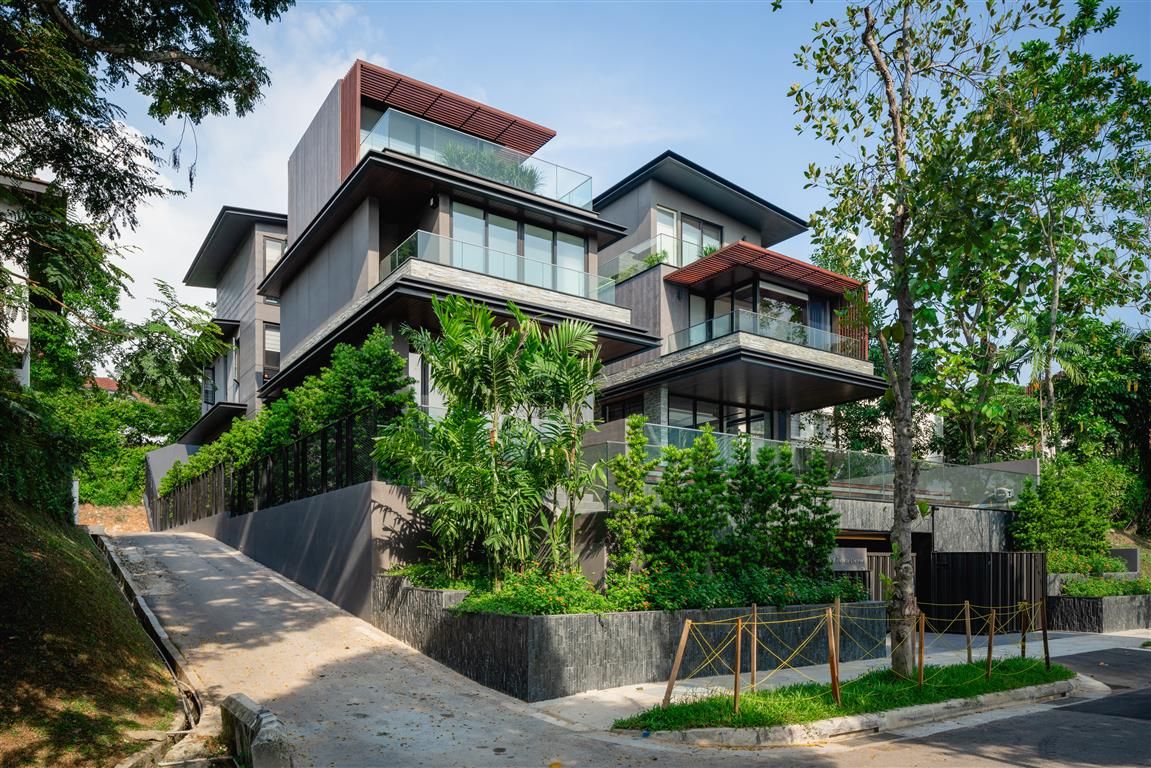
Embracing Green Living
In a world where environmental concerns are at the forefront, the concept of Embracing green living has become increasingly popular. More people are recognizing the importance of adopting sustainable practices, not only for the planet’s well-being but also for creating healthier and more efficient living spaces. One significant aspect of green living is the design and construction of eco-friendly homes. Let’s delve into the world of sustainable design and explore how it can benefit both homeowners and the environment.

Understanding Eco-Friendly Homes
Eco-friendly homes, also known as green homes, are residences built with a focus on minimizing their environmental impact throughout their lifecycle. These homes are designed to reduce energy consumption, conserve water, and promote the use of renewable resources.
Key Elements of Sustainable Design
Energy Efficiency: One of the primary focuses of sustainable design is energy efficiency. This involves incorporating features such as high-performance insulation, energy-efficient appliances, and solar panels to minimize energy consumption and reduce reliance on fossil fuels.
Passive Design Strategies: Passive design techniques leverage the natural elements such as sunlight, shade, and airflow to maintain comfortable indoor temperatures without excessive reliance on heating or cooling systems. Features like strategically placed windows, shading devices, and natural ventilation can significantly enhance a home’s energy efficiency.
Water Conservation: Sustainable homes often integrate water-saving fixtures, rainwater harvesting systems, and drought-resistant landscaping to minimize water consumption. These measures not only reduce water bills but also contribute to water conservation efforts in regions facing water scarcity.
Use of Sustainable Materials: Choosing environmentally friendly materials such as bamboo, reclaimed wood, recycled glass, and low-VOC paints can reduce the carbon footprint of a home’s construction. These materials are often sourced responsibly and have minimal adverse effects on human health and the environment.
Benefits of Eco-Friendly Homes
Reduced Environmental Impact: By minimizing energy and water consumption, eco-friendly homes help reduce greenhouse gas emissions and conserve natural resources. This contributes to mitigating climate change and preserving ecosystems for future generations.
Lower Utility Costs: Although the initial investment in sustainable features may be higher, homeowners can enjoy significant long-term savings on utility bills due to reduced energy and water usage. Additionally, many governments offer incentives and rebates for adopting eco-friendly practices, further offsetting the initial costs.
Improved Indoor Air Quality: Sustainable homes prioritize indoor air quality by using non-toxic materials and incorporating ventilation systems that enhance air circulation. This creates a healthier living environment and reduces the risk of respiratory problems and allergies.
Enhanced Comfort and Well-being: Features such as natural lighting, proper insulation, and thermal comfort provided by passive design strategies contribute to a more comfortable and enjoyable living space. Studies have shown that green homes can positively impact residents’ physical and mental well-being.

Conclusion
Embracing green living through eco-friendly homes and sustainable design not only benefits the environment but also enhances the quality of life for homeowners. By prioritizing energy efficiency, water conservation, and the use of sustainable materials, we can create healthier, more resilient communities while reducing our ecological footprint. Whether building a new home or retrofitting an existing one, incorporating green principles into the design and construction process is a step towards a more sustainable future.
